Tucked in the scenic Laguna Mountains just off California’s legendary Interstate 8, Golden Acorn Casino & Travel Center—proudly owned and operated by the Campo Kumeyaay Nation—is your 24/7 destination for thrills, flavors, and road trip essentials. Step into the action with exciting slot play, grab a bite at one of our delicious dining spots, or fuel up and refresh at our fully stocked Travel Center—all delivered with friendly, small-town service. Whether you're chasing jackpots or just passing through, the fun is only one easy exit away!
The Campo Kumeyaay are part of the Kumeyaay Nation that extends from northern San Diego County to the dunes of Imperial County and south past Ensenada, Mexico. Currently, 12 U.S. Reservations and 4 Mexican Ejidos identify as Kumeyaay. The Campo people are descended from some of the most resistant fighters against the encroachment of Spanish, Mexican and American populations. Kumeyaay of the mountains and desert held the Spaniard and Mexican settlements to the coastal zone up to present day El Cajon. Major villages, from Cuyamaca to Jacumba, united to conduct raids and battles against coastal settlements, and later ranchos, through the 1830s and 1840s. Kumeyaay united with Quechan and Cocopa warriors from the Colorado River to launch attacks all the way to San Diego.
In 1852, American negotiators met with Kumeyaay leaders and signed the Treaty of Santa Ysabel to secure a Reservation for Kumeyaay that encompassed about 20% of present-day San Diego County. The Treaty was never ratified, after strong lobbying by the California legislature, and the Kumeyaay were never informed of this fact. For 40 years Kumeyaay lived in increasingly fragmented villages called Rancherias as homesteaders crowded them out of their lands. Some Reservations were created in the 1870s for a portion of the Kumeyaay but the mountain bands of southeast San Diego County were too isolated to come to the attention of the federal government until the 1890s.
Official Name: Campo Band of Diegueño Mission Indians, also known as the Campo Kumeyaay Nation.
Location: Situated in the southern Laguna Mountains of southeastern San Diego County, California.
Federal Recognition: Achieved in 1893.
Reservation Size: Approximately 16,512 acres (66.82 km²).
Population: As of the 2010 U.S. Census, the reservation had 351 residents.
The Campo people relied on wages for labor off-Reservation to survive for most of the 20th Century. On Reservation jobs have usually been tied to the Bureau of Indian affairs facilities or grants. In the latter half of the 20th century unemployment at Campo was consistently over 70% and poverty was endemic. Over the last 30 years much has been accomplished. The Campo Band created an Overall Economic Development Plan, during the 1970’s, in conjunction with the opening of Interstate 8 through the Reservation, designating commercial property at the freeway and also at the south end of the Reservation. By the early 1990’s, Campo had started a sand mining operation at the Reservation and had organized a fire department, education, environmental, and housing departments as well as a tribal development corporation and health clinic. Campo initiated several economic development projects, including a trash to energy project, a municipal solid waste landfill, and a wind energy project, but none of these came to fruition.
In the mid-1990s Campo initiated a major housing development, building over 30 homes within two years. By the late 1990’s, changing economic and legal conditions regarding gaming presented a new opportunity to the Campo Band, leading to the opening of the Golden Acorn Casino in 2001. During the early years of the new century, a new clinic building was constructed to host the SIHC satellite clinic, and by 2010 the clinic had been expanded to host dental and mental health services. During this same time period the Tribe seriously considered the development of a major new wind project as well as options for re-starting the landfill process, however neither project was approved to move forward at that time.
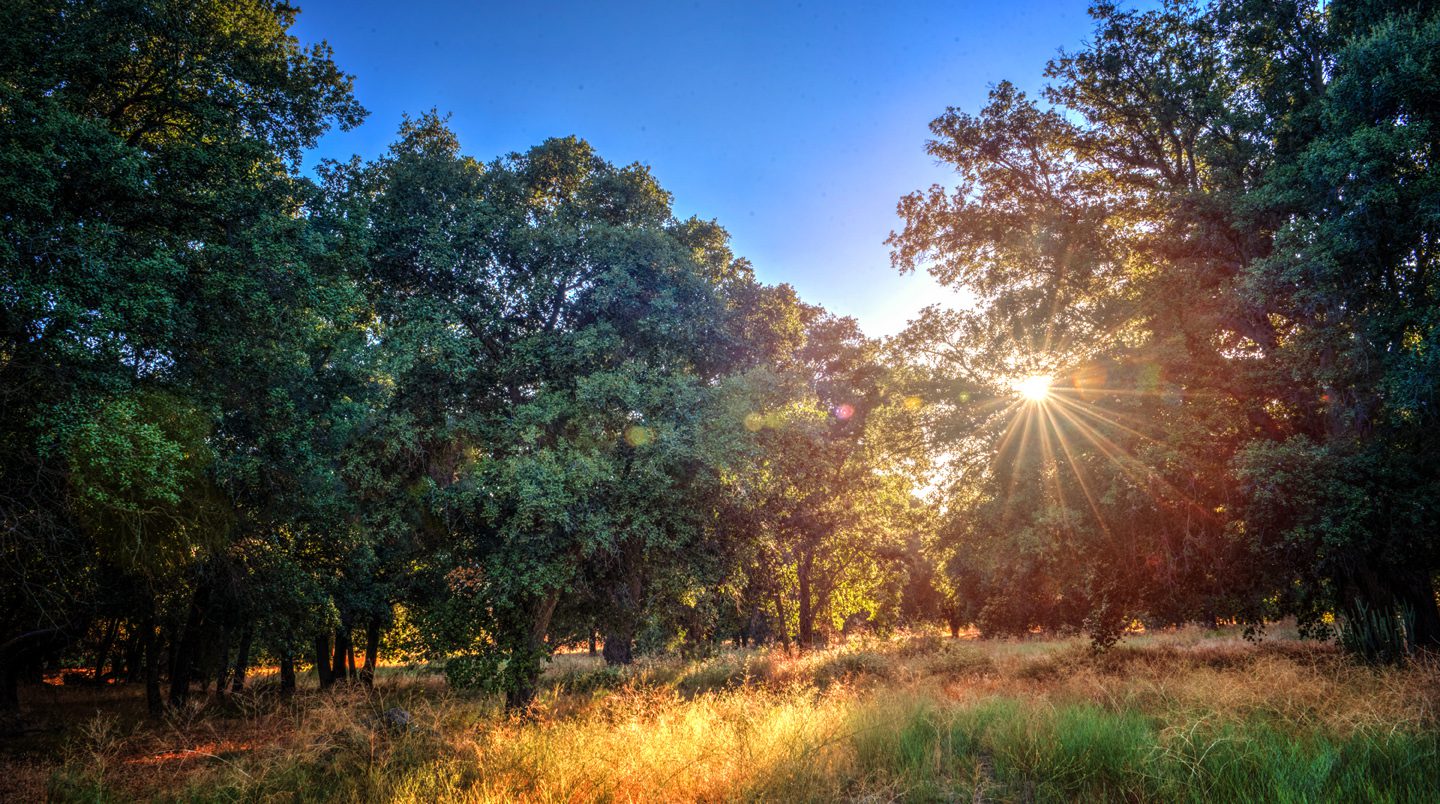
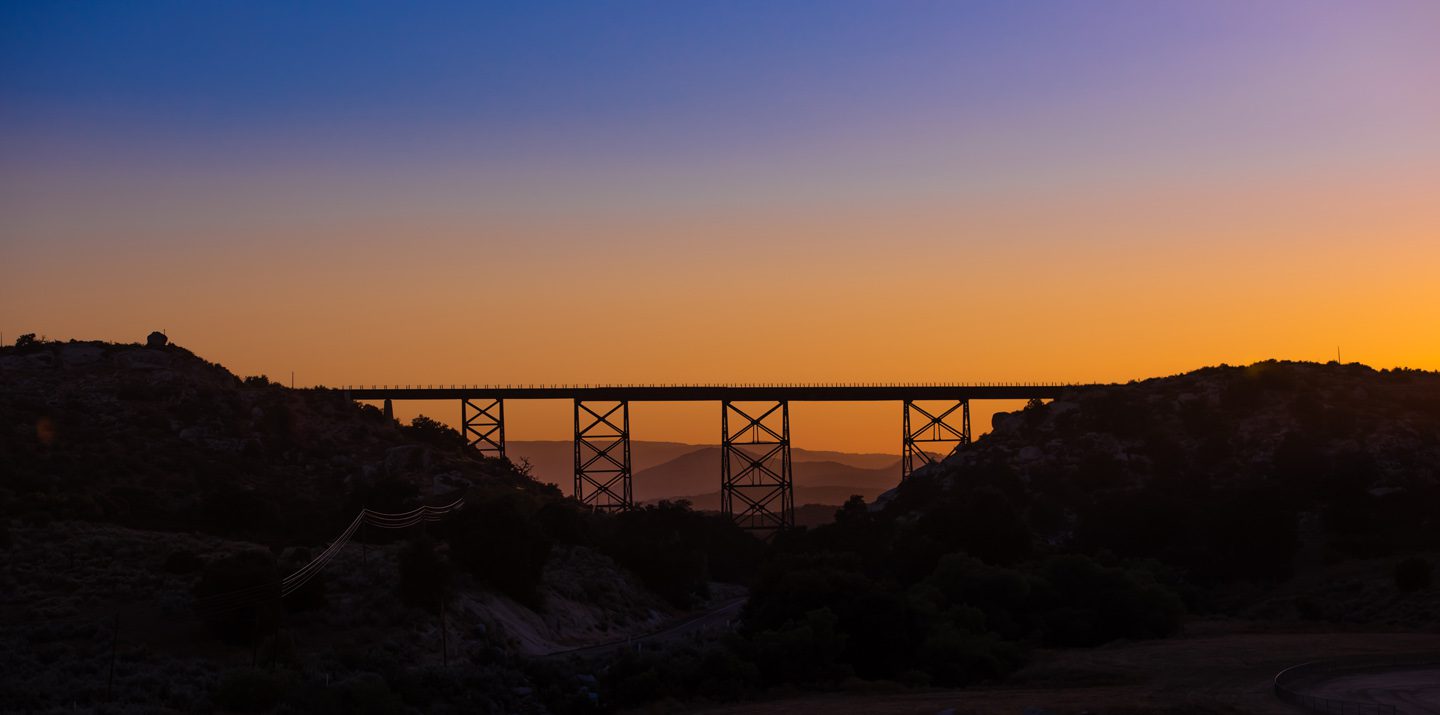
Campo has been at the forefront of many national efforts. The Campo EPA was one of the first comprehensive environmental programs initiated on a California Indian Reservation. Stream restoration programs on the Campo Reservation have received national attention. Campo has been a leader in pushing for water rights and taxation equity in California. Campo’s Fire Department has provided primary or secondary support for over 500 square miles of tribal and non-tribal territory.
Campo is in between the relatively progressive and growing city of San Diego to the west and the town of El Centro to the east. San Diego has many affluent suburb communities, while El Centro, largely an agricultural economy, has one of the highest unemployment rates in the U.S. The unofficial unemployment rate at Campo is 28%. The people of Campo place a high value on education. This is shown by the ongoing support for the education department. In the late 1980’s, Campo had a 100% drop out rate at Mtn. Empire High School. Working with the school district, Campo was eventually able to bring that down to less than 50%. Campo has been a continuing supporter of Kumeyaay Community College and every semester there are attendees from Campo either on-line or at the campus on Sycuan Indian Reservation. Post-secondary training and school were funded under the revenue allocation plan from the casino. Many tribal members took advantage of this program. In addition, Campo has a regular scholarship program.
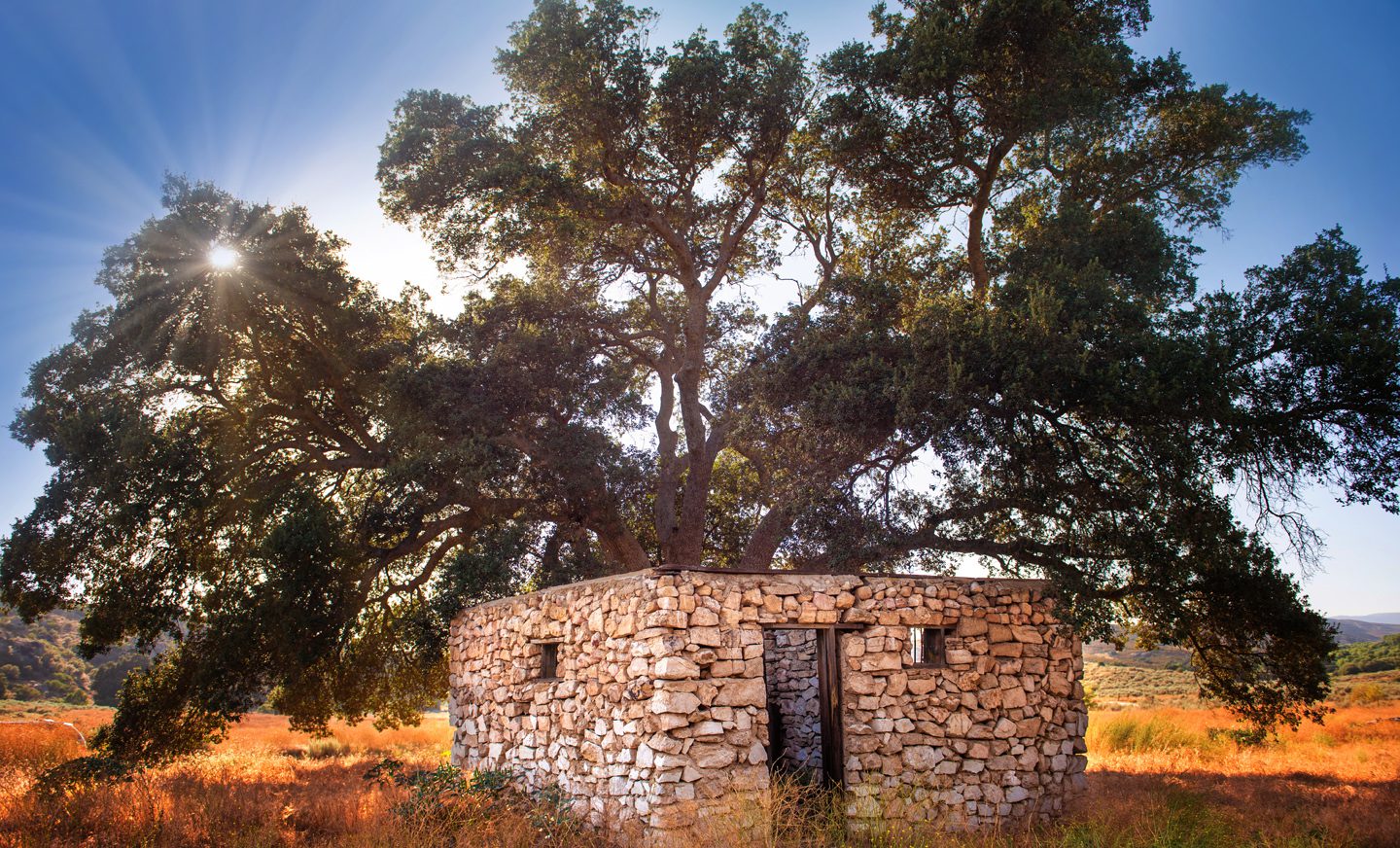

The Campo people relied on wages for labor off-Reservation to survive for most of the 20th Century. On Reservation jobs have usually been tied to the Bureau of Indian affairs facilities or grants. In the latter half of the 20th century unemployment at Campo was consistently over 70% and poverty was endemic. Over the last 30 years much has been accomplished. The Campo Band created an Overall Economic Development Plan, during the 1970’s, in conjunction with the opening of Interstate 8 through the Reservation, designating commercial property at the freeway and also at the south end of the Reservation. By the early 1990’s, Campo had started a sand mining operation at the Reservation and had organized a fire department, education, environmental, and housing departments as well as a tribal development corporation and health clinic. Campo initiated several economic development projects, including a trash to energy project, a municipal solid waste landfill, and a wind energy project, but none of these came to fruition.
In the mid-1990s Campo initiated a major housing development, building over 30 homes within two years. By the late 1990’s, changing economic and legal conditions regarding gaming presented a new opportunity to the Campo Band, leading to the opening of the Golden Acorn Casino in 2001. During the early years of the new century, a new clinic building was constructed to host the SIHC satellite clinic, and by 2010 the clinic had been expanded to host dental and mental health services. During this same time period the Tribe seriously considered the development of a major new wind project as well as options for re-starting the landfill process, however neither project was approved to move forward at that time.